Are You Ready for Marriage Counseling in Worcester? Here's How to Know
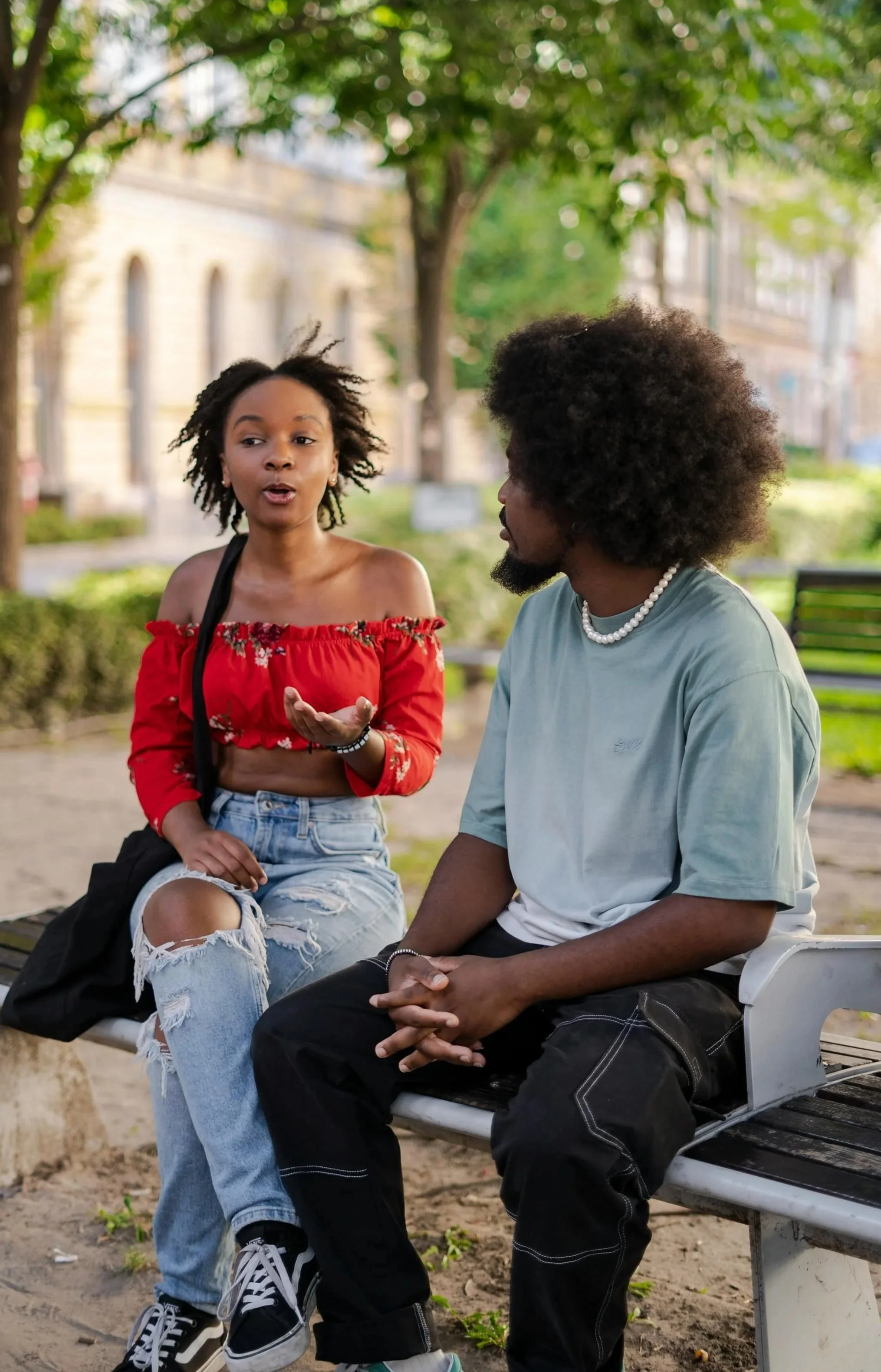
A couple having an honest conversation about whether they're ready to start marriage counseling in Worcester.
Starting marriage counseling in Worcester takes courage and timing. At Couples Therapy Massachusetts, I help couples understand whether they're ready to do the work, and what to do if they're not quite there yet. One of the most common questions I hear when couples reach out for marriage counseling in Worcester is, "How do we know if we're actually ready for this?" It's a fair question and an important one. In my 20+ years as a therapist, I've seen that therapy works best when both people are willing to show up and do the work, not just point fingers. If you're just starting to explore whether marriage counseling is right for you, check out The Complete Guide to Marriage Counseling in Worcester for a comprehensive overview of what to expect, how it works, and how to find the right therapist. Readiness doesn't mean you have it all figured out. It doesn't mean you're certain things will work. But it does mean you're willing to look at yourself, not just your partner. So before you schedule that first session, it helps to ask: Are we actually ready for this?
What Readiness Actually Looks Like
Readiness isn't about being perfect or having all the answers. It's about being willing. I think of one couple I worked with early in my career. They came in stuck in the same argument they'd been having for years. What made the difference wasn't that they had suddenly figured it out on their own. It was that they were both finally willing to slow down and look at the pattern instead of just blaming each other. That's readiness. Here's what I've noticed over the years about couples who are ready to do the work in marriage counseling in Worcester.
You're Both Willing to Look at Your Own Patterns
This is the biggest one. If you're coming into therapy thinking, "If only my partner would change, we'd be fine," that's not readiness. That's hoping I'll fix your partner. Marriage counseling isn't about proving who's right or wrong. It's not about getting the therapist on your side. It's about both of you being willing to ask, "What am I bringing to this? How am I contributing to the cycle we're stuck in?" What helps is the willingness to get curious about your own part in the dynamic. Often, the patterns we bring into our adult relationships started long before we met our partner. They come from how we learned to relate in our families growing up. If you can both say, "I'm willing to look at my stuff," you're ready.
You Can Commit to Showing Up, Even When It's Hard
Marriage counseling in Worcester isn't a one-and-done thing. It's not a quick fix. The patterns you're stuck in have usually been there for a while, sometimes years. Unraveling them takes time, often many months, sometimes longer. If you're ready to commit to showing up regularly, even when it's hard, even when you don't feel like it, even when you had a fight on the way to the session, that's readiness. Therapy works when you're consistent. When you show up week after week and do the work, both in the session and outside of it. Building a strong foundation takes time and commitment, but it's worth it.
You're Willing to Be Uncomfortable
Here's the thing about marriage counseling: it's uncomfortable. Sometimes really uncomfortable.You're going to talk about things you've been avoiding. You're going to hear things from your partner that are hard to hear. You're going to have to sit with feelings you'd rather push away. As some of my clients have said, in couples work you're scratching at the wound, opening up the scab. For some couples, they've worked hard on not touching the wound. In therapy, we touch the wound. We talk about it, we slowly dance around it, and then we inspect it and begin to understand it.That's uncomfortable. Sometimes painful. Especially if you've been shutting down during conflict or avoiding difficult conversations altogether.But if you're willing to sit in that discomfort because you know it's the path to something better, you're ready.
You Want the Relationship to Work (Even If You're Not Sure It Will)
You don't have to be 100% certain you want to stay together to be ready for therapy. A lot of couples come in feeling unsure. "I don't know if I can do this anymore." "I don't know if we can get back to where we were." "I'm not sure there's hope."That's okay.What matters is that some part of you still wants to try. Some part of you is still hoping there's a way through. You don't have to know if it'll work. You just have to be willing to show up and see. If you're both at least open to the possibility that things could get better, you're ready. Even good relationships are hard sometimes, that doesn't mean they're broken.
You're Ready to Be Honest About What's Really Happening
Marriage counseling only works if you're willing to be honest with me, with your partner, and with yourself. That means not pretending everything is fine when it's not. Not hiding things because you're scared of how your partner will react. Not sugarcoating or minimizing what's really going on. I know that's scary. Being honest means being vulnerable. It means risking conflict or disappointment or pain. It means being willing to talk about what story you're telling yourself about your partner and your relationship, and being open to the possibility that the story might not be the whole truth. I can't help with what I don't know about. And your partner can't understand what you don't tell them. If you've been feeling unheard in your relationship, therapy is a place where you can finally express what's been building up and find effective ways to not let this happen in the future. If you're ready to start telling the truth in a kind direct way, even when it's hard, you're ready for therapy.
When You Might Not Be Ready Yet (And What to Do Instead)
Not every couple is ready for marriage counseling in Worcester at the same time and that's okay. Sometimes other things need to happen first.
One Partner Is Completely Checked Out
If one of you has truly decided you're done, not "I'm frustrated and overwhelmed," but genuinely done and unwilling to engage, marriage counseling probably won't work. Therapy requires both people to at least be open to the process. If one person is just going through the motions or has already made the decision to leave, it's not going to be effective.
What to do instead:
If you're the one who's checked out, consider individual therapy to help you get clarity on what you really want and why. If your partner is the one who's checked out, you can still work on yourself. Individual therapy can help you understand the patterns in your relationship, work on your own healing, and figure out your next steps, whether that's continuing to work on the relationship or preparing to move forward on your own.
There's Active Addiction or Untreated Mental Health Crisis
If one or both of you are actively struggling with substance use, addiction, severe untreated depression, anxiety, or other mental health issues, couples therapy might not be the right starting point.That doesn't mean there's no hope. It just means individual therapy may need to happen first or alongside couples work.
What to do instead:
Seek individual therapy or treatment for the addiction or mental health concern. Once that's being actively addressed, couples work can be much more effective. I'm happy to talk through your specific situation and help you figure out what support makes sense first.
You're Looking for the Therapist to "Fix" Your Partner
If you're coming to therapy hoping I'll tell your partner they're wrong, or that I'll convince them to change, or that I'll take your side, that's not readiness. Marriage counseling isn't about one person being fixed. It's about both of you understanding the patterns you're stuck in and learning new ways to relate to each other. Often, what looks like arguing about small things is actually about deeper issues in the relationship.
What to do instead:
Shift your focus from "What does my partner need to change?" to "What can I learn about myself and this relationship?" If you can make that shift, even a little bit, you might be more ready than you think.
What If You're Not Sure?
That's completely normal. Most couples aren't 100% sure they're ready when they reach out. They're scared, they're uncertain, they're hesitant and that's okay. If you're reading this and thinking, "I don't know if we check all these boxes," that doesn't mean you shouldn't try. It just means it's worth being honest with yourself, with your partner, and with your therapist about where you're at. Sometimes the act of starting therapy is what helps you get ready. Sometimes showing up for that first session is the thing that shifts something. Sometimes just exploring the dance of connection in your relationship can help you understand what's been missing.
You Don't Have to Have It All Figured Out
Here's what I want you to know: You don't have to be perfectly ready to start marriage counseling in Worcester.You don't have to have all the answers. You don't have to know exactly what you want. You don't have to be certain it's going to work. You just have to be willing to try. Maybe you're feeling disconnected because of parenting stress and emotional labor. Maybe stress has been stealing your connection. Maybe you've noticed changes in your intimacy that you don't know how to talk about. Whatever brought you here, if you and your partner are both willing to show up, be honest, and do the work, even if you're scared, even if you're unsure, that's enough. It also helps to focus on what's working, not just what's broken. Therapy isn't only about fixing problems, it's about building on your strengths too.
Ready to Take the Next Step?
If you're reading this and thinking, "Okay, I think we're ready," I'd love to talk with you. I offer a free 15-minute phone consultation where we can talk about what's going on, answer any questions you have, and see if we might be a good fit.
Related Posts:
The Complete Guide to Marriage Counseling in Worcester
How Family-of-Origin Patterns Show Up in Your Relationship And What to Do About It
Parenting, Emotional Labor, and Why Couples Feel So Disconnected — And What to Do About It
Why We Shut Down During Conflict and How Couples Therapy Massachusetts Helps You Reconnect

I am a trauma-informed individual and couples therapist trained in family systems-based couples therapy. I pull from a variety of frameworks, including Narrative Therapy, ACT, and Imago, just to name a few. My approach is authentic, down to earth, and infused with humor. My work with couples is rooted in the belief that relationships are both incredible and super hard, and that we’re not meant to navigate them alone.
I help couples develop empathy for themselves and each other while exploring how their personal histories and patterns shape the dynamics they bring into the relationship. Together, we create space for insight, healing, and growth so partners can learn new ways of engaging with one another, ones that reflect how they truly want to show up in their relationship.
Specialties: Couples Therapy, Individual Therapy for Anxiety, Burnout and Relationship Support.
