Why Stress Steals Connection in Relationships
Stress Isn’t Just in Your Head
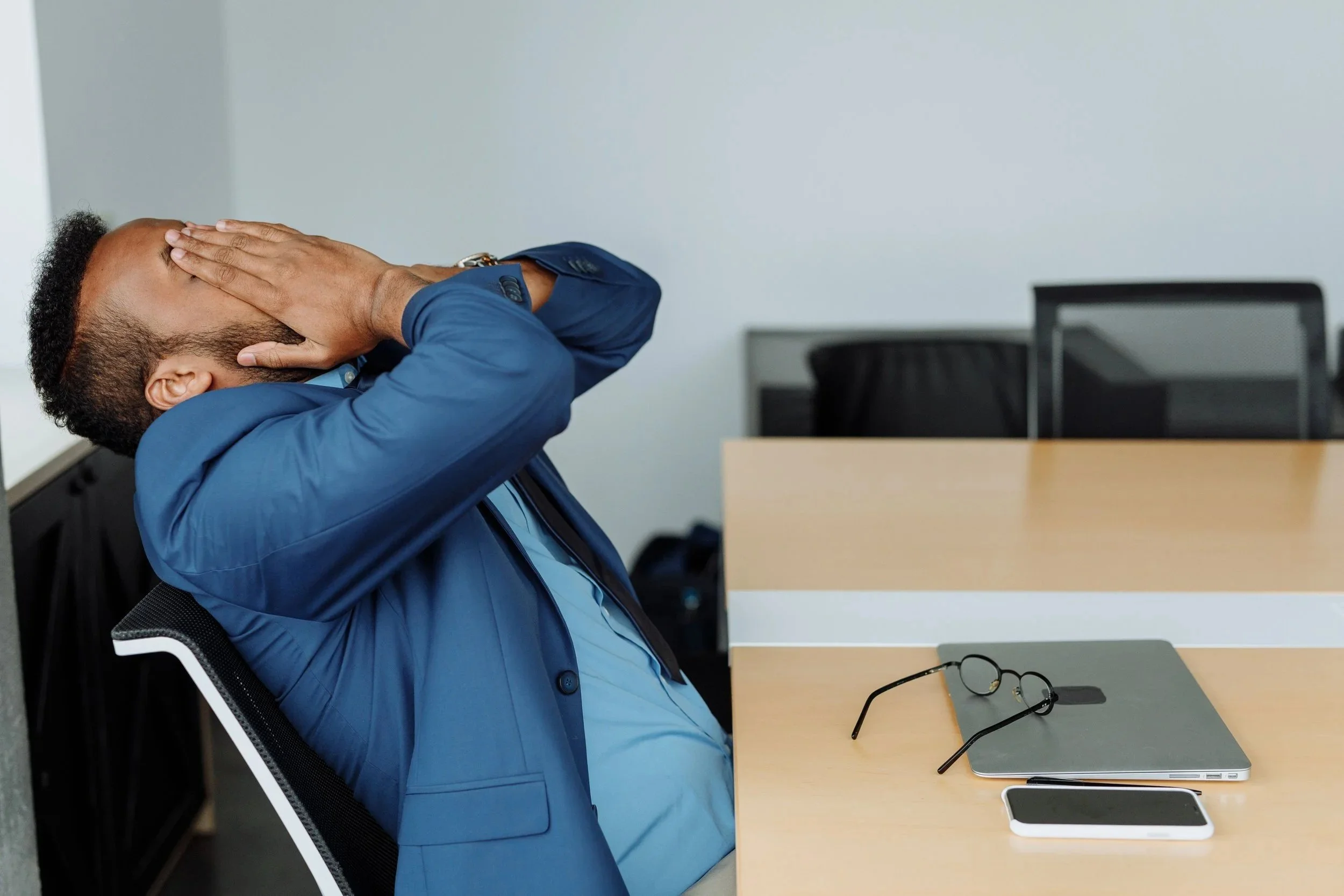
Stress doesn’t just live at work, it follows us home. Couples Therapy Massachusetts supports partners in understanding how overwhelm shapes reactions and connection.
Stress is the body’s response to perceived danger.
The tricky part is that our brains and bodies don’t reliably know the difference between physical danger , like a lion or tiger chasing us and modern life danger, like overwhelming workloads, tight deadlines, parenting demands, relationship expectations, financial pressure, or the constant juggle of daily responsibilities.
This experience is one of the many reasons relationships can feel so hard, even when there is love and good intention — something I explore more deeply in Why Relationships Are So Hard (Even in Good Relationships).
To your nervous system, overload is overload.
When the body senses threat, it releases stress hormones designed to help us survive. These responses evolved to keep us alive in truly life-or-death situations. The problem is that our nervous systems haven’t caught up with modern life. They don’t distinguish between something that might actually end our lives and something that feels urgent, demanding, or overwhelming but isn’t physically dangerous.
So even though a packed schedule, mounting expectations, or emotional strain won’t literally kill us, the body reacts as if it might.
How stress shows up can look very different from person to person.
One person may carry stress in their shoulders or lower back.
Another might clench their jaw or develop stress headaches.
Someone else may notice heart palpitations, sweaty palms, or a racing pulse.
Stress can also show up cognitively. When someone is overwhelmed, their capacity to multitask often disappears. Interruptions feel unbearable. Small disruptions trigger outsized frustration. This isn’t a character flaw, it’s a nervous system response.
When stress levels are high, the body narrows focus. It becomes single-tracked, hyper-focused on completing the task at hand. The internal message is often something like: I have to get this done. Don’t bother me. Something bad will happen if I don’t.
This kind of tunnel vision once helped humans survive real danger. But in modern life, that same response is often activated by emails, deadlines, household responsibilities, and emotional labor.
And this is often where relationships begin to feel strained.
Acute Stress vs. Chronic Stress
There’s an important difference between acute stress and chronic stress and it matters a lot for relationships.
Acute stress is situational. It has a beginning, a middle, and an end. You might think, “Once I get this project done, I’ll feel better.” And often, once the task is complete, your nervous system settles. You regain access to yourself, your relationships, and the things that bring you enjoyment.
Chronic stress is different.
Chronic stress is the kind that never really goes away. It lingers in the background, quietly humming. It’s the constant sense that “Once this gets done, things will calm down” , except something else always replaces it. The body stays in a near-constant state of fight or flight, and over time, that takes a toll.
It impacts physical health.
It impacts mental health.
And it deeply impacts relationships.
When someone is living in chronic stress, their energy often feels depleted. It’s as if the body is pulling from its reserves just to get through the day. Survival mode becomes the default. There’s very little left to give, not to others, and often not even to yourself.
This is the experience many people describe as burnout.
When your bucket is empty, it’s hard to be present. It’s hard to listen. It’s hard to engage emotionally. Not because you don’t care, but because you simply don’t have the capacity.
Why Exhaustion Makes Us More Reactive
We are more reactive when we’re exhausted.
It takes energy to be present. It takes energy to notice and manage your own reactions and to respond thoughtfully to other people’s reactions, especially when those reactions aren’t so stellar. Patience, curiosity, and emotional regulation all require bandwidth.
When stress or anxiety is high, that bandwidth disappears quickly.
I know for me, when I start feeling frustrated, edgy, or easily agitated, that’s usually a cue that something is off. It’s my body’s way of saying, Pay attention. Am I hungry? Am I tired? Am I overwhelmed and taking in more than I have the capacity for right now?
When I hit that place, my patience tends to fly out the window. That’s when I know I need to do something different, not to judge myself, but to respond to what’s actually happening.
Sometimes that means taking a few minutes to breathe.
Sometimes it means getting outside and walking in the woods.
Sometimes it means checking in with myself using a short list; gentle, nonjudgmental reminders of what helps keep me regulated.
None of this is about self-improvement. It’s about self-awareness.
When Connection Starts to Feel Like Too Much
Being in relationship is a gift. Connection is something we need in order to live meaningful, fulfilling lives. And yet, when we’re overloaded with responsibilities and demands, connection can start to feel like one more thing.
Instead of, “This feels good , I want to connect with you,”
it becomes, “You want something else from me, and I have nothing left to give.”
In those moments, even loving connection can feel overwhelming. Talking feels like work. Being present feels exhausting. Sometimes all you want to do is retreat, to shut down, check out, or go into a kind of emotional hibernation.
This is one of the most painful parts of chronic stress in relationships: you can love someone deeply and genuinely want to show up as your best self and still find yourself unable to do so.
Not because the love is gone.
But because your nervous system has taken over and decided it’s time to conserve energy.
When the mind and body are at capacity, survival comes first. Connection comes second. And if this goes unnamed, couples often misinterpret it as disinterest, rejection, or lack of care.
What’s really happening is overload.
The Constant Sensory Overload of Modern Life
There’s another layer of stress that often goes unnamed: constant sensory overload.
Many of us are living in a state of always being “on.” Technology has fundamentally changed how our nervous systems are engaged throughout the day. Unless you intentionally turn your phone off or put it on silent, you’re always accessible. Always reachable. Always on call in some form.
Even when we’re not actively responding, our nervous systems are still engaged.
Our brains are wired for stimulation, and tech companies have become very skilled at understanding how to keep us hooked. Endless scrolling, notifications, headlines, opinions, breaking news, all of it keeps our sensory systems activated. Even “passive” technology use isn’t actually passive for the body.
When you’re on your phone, you might be taking in distressing world events happening thousands of miles away, polarized opinions, or emotionally charged content. There isn’t much peace or presence in that stream of information.
So when someone turns to you and says, “Can we talk?” or “Do you want to do X, Y, or Z?” , it can feel like too much. Not because you don’t care, but because your system has already been taking in far more than it can metabolize.
Shifting out of that state takes intention. It takes effort. And it takes energy.
Stress, Disconnection, and the Cycle Couples Get Stuck In
When someone is chronically stressed, their partner may experience them as distant, irritable, distracted, or emotionally unavailable. The stressed partner may struggle to show up, to have patience, or to engage in meaningful connection.
Over time, dissatisfaction can grow on both sides.
The partner who feels disconnected may express frustration, sometimes gently, sometimes not. That feedback, even when understandable, can increase the already stressed person’s sense of pressure and overwhelm.
Stress feeds disconnection.
Disconnection feeds more stress.
And couples can find themselves stuck in a loop, wondering where it ends.
This isn’t a failure of love. It’s a nervous system caught in a cycle.
Making Sense of It (and Finding a Way Forward)
If stress is stealing connection in your relationship, it doesn’t mean you’re doing something wrong. It means your nervous system is overwhelmed and that makes sense given the demands of modern life.
At Couples Therapy Massachusetts, I help couples slow things down, understand what’s happening beneath the surface, and create more emotional safety so connection doesn’t feel like another task.
Stress doesn’t exist in a vacuum. It lives inside real lives, real relationships, and real expectations, all of which shape why modern relationships feel so challenging, even in good partnerships.
When stress is named and understood, couples often experience a shift. The struggle stops feeling like personal failure and starts making sense. And from that place, new ways of relating can begin with more compassion, clarity, and care.

I am a trauma-informed individual and couples therapist trained in family systems-based couples therapy. I pull from a variety of frameworks, including Narrative Therapy, ACT, and Imago, just to name a few. My approach is authentic, down to earth, and infused with humor. My work with couples is rooted in the belief that relationships are both incredible and super hard, and that we’re not meant to navigate them alone.
I help couples develop empathy for themselves and each other while exploring how their personal histories and patterns shape the dynamics they bring into the relationship. Together, we create space for insight, healing, and growth so partners can learn new ways of engaging with one another, ones that reflect how they truly want to show up in their relationship.
Specialties: Couples Therapy, Individual Therapy for Anxiety, Burnout and Relationship Support.
