What If My Partner Doesn't Want Couples Therapy?
During individual therapy sessions and couple consultations, I make it a point to ask whose idea it was to pursue couples therapy. Who is driving the bus here? This helps me understand whether both partners are equally invested in the process, if one person is more hesitant than the other, and where each person falls on a scale of 0 to 10, with 10 being fully committed and 0 being completely resistant.
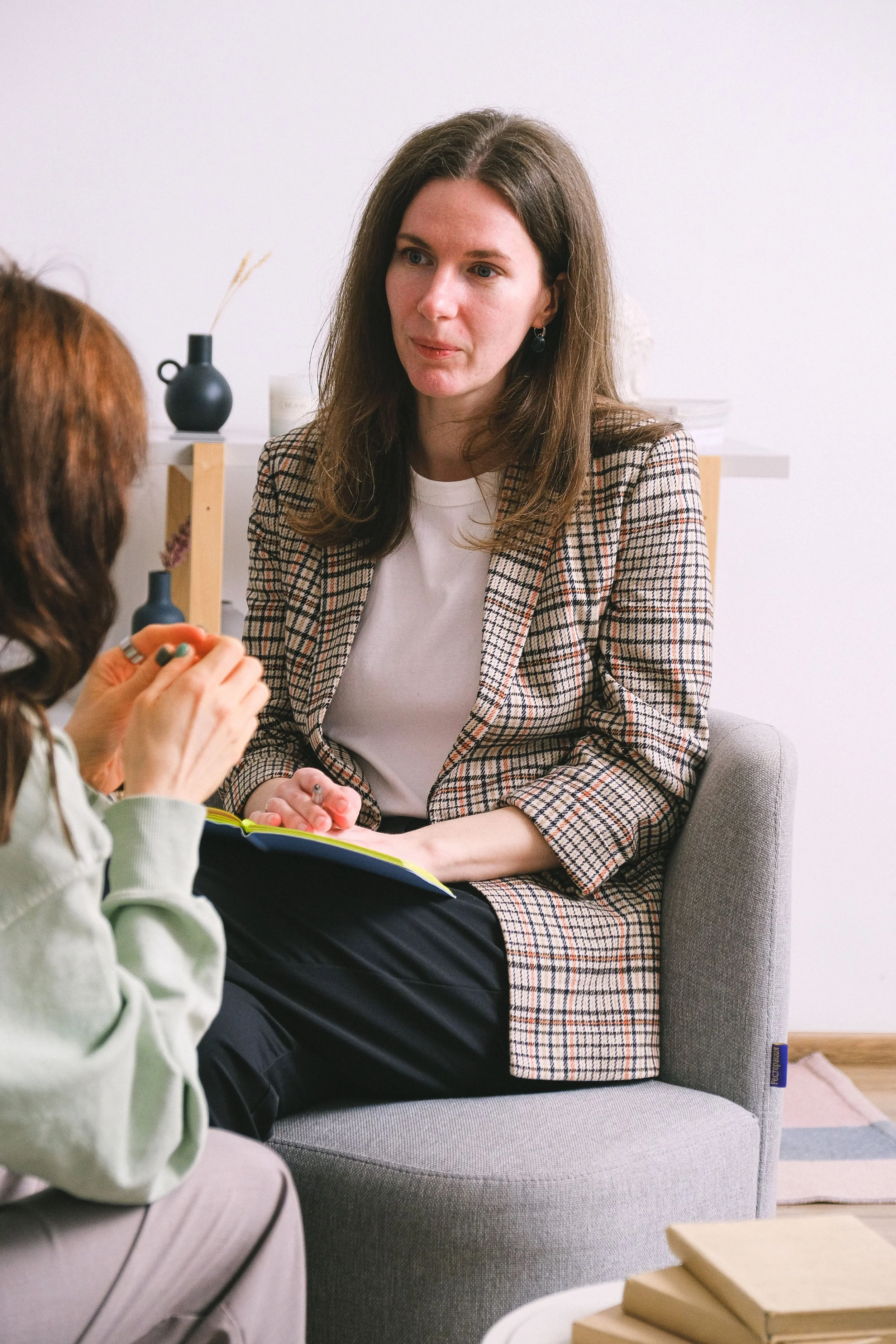
Starting individual therapy focused on your relationship can be a powerful first step, even if your partner isn't ready for marriage counseling in Worcester yet.
It's not uncommon for one person to be the driving force behind seeking couples therapy while the other remains hesitant. Every couple and individual is different, but in my 20-plus years as a therapist working with couples, I've observed consistent patterns around why one partner might resist therapy.
Common Fears and Stigma Around Couples Therapy
Privacy concerns run deep for many people. Some view their relationship as sacred territory between two people and don't want anyone else involved. They don't want to "broadcast their dirty laundry." For those raised with messages like "we keep our problems in the family" or "we'll figure it out ourselves," seeking outside help can feel like a betrayal of those values.
Fear of making things worse is another barrier. There's a worry that talking about problems will amplify them rather than resolve them. What if opening Pandora's box causes more damage?
Fear of blame looms large as well. The hesitant partner may worry they'll be singled out as the source of the relationship's problems. They fear their partner will use therapy as a platform to point fingers, or that the therapist will take sides, leaving them to defend themselves alone.
Finally, there's the fear of accountability. Therapy demands that you look at yourself honestly and commit to doing difficult work. When you're not in therapy, no one is putting you on the spot. In therapy, you can't hide. You're there to confront things directly, and that level of vulnerability can be terrifying.
When One Partner Won't Go: Individual Couples Therapy
So what if your partner doesn't want couples therapy? This is genuinely difficult because traditional marriage counseling requires two people coming together and agreeing to work on the relationship.
However, couples therapy can be done individually. It looks different than having both partners in the room, but the core principles remain the same. Whether you're in individual or couples therapy, one fundamental truth applies: you cannot change the other person.
The focus in either format is on what each individual brings to the relationship. What are you contributing that strengthens the connection? What are you bringing that interferes with communication, intimacy, and healthy coping? These are questions you can explore in individual therapy.
What Individual Couples Therapy Looks Like
In my two decades of providing couples counseling in Worcester and throughout Massachusetts, I've seen how powerful individual work can be when one partner isn't ready for joint sessions. In individual therapy focused on your relationship, you can examine your patterns and your dance. From your perspective, what do you bring to the relationship: the good, the bad, and the ugly? If your partner were sitting beside you (which they're not), what would they say? What would their perspective be when you act a certain way or say certain things? What's their take on the patterns that unfold between you?
The guiding principle here is that when one thing changes within a system, the whole system has to shift. This takes time, and changes may unfold more slowly than in traditional couples therapy. But real transformation is possible.
Consider this: if you and your partner argue constantly, what would happen if you shifted your part in those arguments? What if you learned what triggers you, what you bring to the conflict, and how to respond less reactively? What if you developed new skills for communicating and expressing your thoughts and feelings? How would that change the entire dynamic?
The Power of Individual Change
The focus isn't on changing your partner. The focus is on changing yourself. And in marriage counseling in Worcester or anywhere else, the same principle applies whether you're working individually or as a couple: your partner can't force you to change, nor would you want them to.
Throughout my over 20 years as a therapist, I've witnessed individuals create significant shifts in their relationships by doing their own work first. When you change how you show up, the relationship dynamic must adapt. If you're seeking couples therapy in Massachusetts and your partner isn't ready, starting with individual work focused on relationship patterns can be a powerful first step, and sometimes, it becomes the catalyst that eventually brings both partners into the room together.
Frequently Asked Questions
Can couples therapy work if only one person goes?
Yes. While traditional couples therapy involves both partners, individual therapy with a relationship focus can create meaningful change. When you shift your patterns, communication style, and responses, the entire relationship system must adjust. This approach takes longer to see results than joint sessions, but it empowers you to work on what you can control (yourself) rather than waiting for your partner to be ready.
How do I convince my partner to try couples therapy?
Rather than trying to convince or pressure your partner, focus on expressing your needs without blame. Share what you hope to gain from therapy (better communication, deeper connection, or tools to navigate conflict) rather than framing it as "fixing" them or the relationship. Sometimes starting individual therapy yourself demonstrates the value of the process and reduces your partner's fears about what therapy actually involves.
Can I start seeing you for individual therapy with the plan that my partner will join when they're ready?
Yes, this is absolutely possible, and it's important to talk openly about how each person in the relationship feels about this dynamic. Some people worry about the therapist already leaning toward one partner if a relationship is developed with one person before the other joins. This is a legitimate concern that deserves attention.
In my experience providing couples counseling in Worcester, I have worked with individuals and then had their partner join for couples or marriage counseling. Before we dive into the work, we talk openly about any concerns regarding this arrangement. I emphasize the need for clear communication and encourage both partners to let me know if one or both are feeling like the balance is off at any point.
I also have an honest conversation with the partner I had been seeing individually: I may highlight certain patterns or behaviors of theirs, and I need to know if they'll be able to tolerate that in front of their partner. This transparency helps establish trust and ensures that when the partner does join, we're starting from a place of acknowledged awareness rather than hidden allegiances. The goal is always to maintain neutrality and support the relationship, not any one individual. My job as the couples therapist is to support the relationship.
Is it too late for couples therapy if we've been struggling for years?
It's rarely too late, though the longer patterns go unaddressed, the more entrenched they become. In my 20-plus years providing marriage counseling in Worcester, I've worked with couples at all stages, from those addressing recent conflicts to those considering separation. What matters most is willingness to examine your own contributions to the relationship dynamics and commit to making changes, regardless of how long the struggles have persisted.
What's the difference between couples therapy and marriage counseling?
These terms are largely interchangeable. Both focus on improving relationship dynamics, communication, and connection between partners. "Couples therapy" tends to be the broader term that includes all committed partnerships, while "marriage counseling" traditionally refers to married couples. The approach and goals remain the same regardless of marital status.
How long does couples therapy take to work?
This varies significantly based on the complexity of issues, how long patterns have existed, and each person's commitment to the process. Some couples notice shifts within a few sessions, while deeper relational wounds or longstanding patterns may require several months to a year of consistent work. When doing individual couples therapy in Massachusetts because your partner won't attend, changes typically take longer since you're working on shifting the system from one side.
Will the therapist take sides in couples counseling?
A skilled couples therapist remains neutral and works to understand both perspectives without taking sides. The goal is to help each person see their role in relationship patterns and develop healthier ways of connecting. If you're concerned about bias, this is something worth discussing in an initial consultation when seeking couples counseling in Worcester or elsewhere. A good therapist will address this fear directly and explain how they maintain neutrality.
Ready to Take the First Step?
Whether you're considering couples therapy or starting with individual work focused on your relationship, I'm here to help. With over 20 years of experience providing couples counseling in Worcester and throughout Massachusetts, I understand the challenges of navigating relationship struggles, especially when your partner isn't ready to join you yet.
You don't have to wait for your partner to be on board to begin making positive changes in your relationship. Individual therapy can help you understand your patterns, develop new communication skills, and create the shifts that transform your relationship dynamic.
Contact me today to schedule a consultation and learn more about how we can work together, whether individually or as a couple. Taking the first step is often the hardest part, but it's also the most important.
Reading that might be helpful
Myths About Marriage Counseling Worcester
What to Expect in Your First Marriage Counseling Session in Worcester
Are You Ready for Marriage Counseling in Worcester? Here's How to Know

I am a trauma-informed individual and couples therapist trained in family systems-based couples therapy. I pull from a variety of frameworks, including Narrative Therapy, ACT, and Imago, just to name a few. My approach is authentic, down to earth, and infused with humor. My work with couples is rooted in the belief that relationships are both incredible and super hard, and that we’re not meant to navigate them alone.
I help couples develop empathy for themselves and each other while exploring how their personal histories and patterns shape the dynamics they bring into the relationship. Together, we create space for insight, healing, and growth so partners can learn new ways of engaging with one another, ones that reflect how they truly want to show up in their relationship.
Specialties: Couples Therapy, Individual Therapy for Anxiety, Burnout and Relationship Support.
