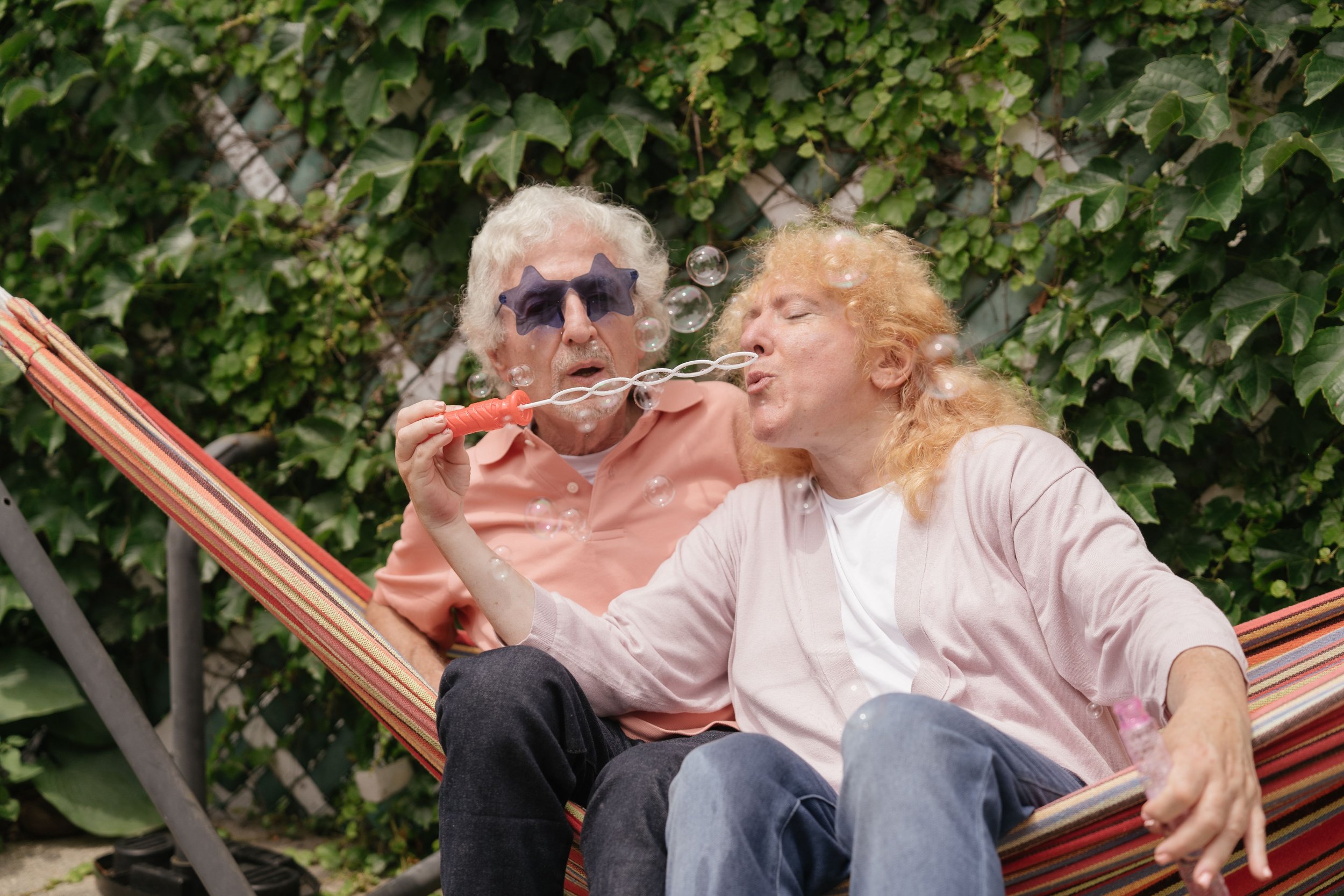
When slowing down feels hard, marriage counseling in Worcester helps couples move from tension to genuine presence with each other.
Avoidance is a big thing. We live in a go-go-go society that reveres productivity and the idea of doing versus being. Well, what happens when you shift out of doing and move into being? Vacation is a time where this can happen, depending on what type of vacation you have. Moving from being on the run to slowing down can feel like a jolt to the system. That change can feel uncomfortable just on its own, but what happens when you're experiencing slowing down on vacation with your partner?
We expect it to feel amazing, calm, connected, right? Or maybe you're dreading it because that means there will be more time together and more space to notice. When you slow down, you begin to notice things that you might have not noticed. You notice how you and your partner engage or don't engage with each other. There may be fear about if you guys have anything really in common anymore. What are you going to even talk about?
I notice in my own relationship that there is this period of recalibration in the summer and then in the fall. My husband is a high school math teacher and there is a distinct rhythm in our family when the school year is going and when school is out. I also notice this recalibration during school vacation times when we are together more often. There is this figuring out how to be together in a new way. There is a bit more tension and frustration at times. That said, we are increasingly more aware of this pattern and are beginning to anticipate it, and we are able to talk about it as a recalibration rather than seeing it as a flaw in our marriage.
When you think about it, when you have two nervous systems slowing down, they slow down at different rates and have different needs. One person's nervous system may want to slow down in the presence of another person and need to slowly taper off the speed they are running on. Another person's nervous system may need to have some alone time to calm down collapse into doing nothing for a while.
Conflict can arise for many reasons when "relaxing together":
1. There are different ways each person needs to calm down from being in go mode and highly stimulated
2. It is a different way of engaging and being with your partner and it takes time to adjust to the new way of being
3. There is less noise and distraction and you now are faced with things that have not been addressed, but overlooked during busy times in life
4. An unrealistic expectation that relaxing together will be bliss all of the time or that it will just come naturally. Learning how to relax together is also a skill
5. What is relaxing for one person may not be relaxing for another
When Busyness Becomes a Shield
Here's what I see often in my work as a marriage counselor in Worcester: busyness isn't just a circumstance, it's often a survival strategy. When life is packed with work, kids' schedules, household tasks, and social obligations, there's little room for real slowed down connection and to make space for the hard conversations that need time and space to be had. There's little space to feel the distance that's been growing. There's a built-in excuse for why you're not connecting.
And then summer comes. Or vacation. Or a long weekend. Or the kids leave for college or work. And suddenly, the shield of busyness drops.
What you're left with is each other. And sometimes, what you're also left with is everything you've been avoiding:
- The resentment that's been building
- The loneliness you feel even when you're in the same room
- The fear that you've grown apart
- The vulnerability of actually being seen
-The lack of connection with yourself as a person
This is where the real discomfort can come from. It's not that your relationship is broken because relaxing together feels hard. It's that slowing down exposes the underlying patterns and unmet needs that have been there all along.
The System Underneath
In marriage counseling in Worcester, I often help couples explore the system that's operating beneath the surface. When you're in "go mode," you're operating from a place of function and task. But when you slow down, you're asked to operate from a place of presence and connection. That's a fundamentally different way of being, and for many of us, it activates old fears and defense mechanisms.
Maybe you learned early on that being vulnerable wasn't safe. So when your partner wants to "just talk" on vacation, your system goes into panic mode and you find yourself picking a fight or scrolling your phone.
Maybe you learned that your needs didn't matter, so you've become the accommodating partner who says "whatever you want to do is fine", and then feels resentful when your partner can't read your mind about what you actually need.
Maybe closeness feels suffocating because you didn't have enough autonomy growing up, so when your partner wants to spend all day together, you feel trapped.
These aren't character flaws. They're adaptive strategies that once kept you safe. But in your adult relationship, they keep you stuck in patterns of disconnection.
What This Means for Your Relationship
If "relaxing together" brings up conflict, it doesn't mean your relationship is doomed. It means your relationship is asking you to grow.
It's inviting you to:
- Notice your patterns instead of blaming your partner
- Get curious about what's happening in your nervous system when you feel activated
- Communicate your actual needs instead of expecting your partner to guess
- Practice vulnerability instead of defaulting to criticism or withdrawal
- Learn each other's rhythms for how you each regulate and what you each need
This is the work I do with couples in couples counseling in Worcester, MA. We slow down enough to see the system that's running the show. We get underneath the surface-level conflicts ("you never want to do anything!" / "you always have to be doing something!") and explore what's really happening.
Moving Toward Connection
So what does it look like to approach summer or any slower season with more intention?
1. Expect the recalibration.
Name it with your partner: "Hey, we're shifting gears right now. It might feel a little awkward or tense as we figure out how to be together in this new rhythm. That's normal."
2. Talk about what each of you actually needs.
Don't assume. Ask:
- How do you like to unwind after being in go-mode?
- Do you need alone time first, or do you recharge with connection?
- What does "relaxing" actually look like for you?
3. Make space for both togetherness and autonomy.
You don't have to do everything together. It's okay to have different needs and honor them.
4. Practice being instead of doing.
This is hard for many of us. Start small. Sit on the porch together without your phones. Take a walk without a destination. Let there be space and silence. Notice what comes up.
5. Be gentle with the discomfort.
If slowing down brings up anxiety, sadness, or conflict, that's information. It's not a sign that you're doing it wrong. It's a sign that there's something underneath worth paying attention to.
6. Seek support if you need it.
If the patterns feel too big to navigate on your own, that's what marriage counseling is for. Sometimes we need a guide to help us see the system we're stuck in and find a new way forward.
Final Thoughts
Learning to relax together, to truly be present with each other without the noise and distraction of daily life, is one of the most vulnerable things you can do in a relationship. It requires you to let down your defenses, to be seen, to risk disappointment or rejection.
But it's also where real connection lives.
So if this summer feels uncomfortable, if slowing down brings up tension, if you find yourselves bickering more when you "should" be enjoying each other, take a breath. You're not failing. You're just being asked to show up differently.
And that's hard work. But it's worth it.
---
Frequently Asked Questions
Q: Is it normal for couples to fight more on vacation?
A: Yes, it's completely normal. When you slow down and have more unstructured time together, underlying tensions and unmet needs that were masked by busyness can surface. Different nervous systems also regulate at different rates, which can create friction. If you notice this pattern, it's not a sign your relationship is broken, it's an invitation to explore what's underneath.
Q: Why does spending more time with my partner feel uncomfortable instead of enjoyable?
A: Increased togetherness can feel uncomfortable for several reasons: you may have different needs for alone time versus connection, busyness may have been protecting you from deeper issues, or you might be operating from old survival strategies rather than vulnerability. In couples counseling in Worcester, MA, I help you identify these patterns and learn new ways of being together.
Q: What's the difference between needing space and avoiding my partner?
A: Needing space is about honoring your nervous system's need to regulate. It's temporary and you can communicate it clearly ("I need an hour to decompress, then I'd love to connect"). Avoidance is a pattern of consistently withdrawing to escape discomfort, difficult conversations, or intimacy. If you're not sure which you're doing, that's worth exploring in therapy.
Q: How can we learn to relax together without fighting?
A: Start by talking openly about what each of you actually needs to unwind. Expect a recalibration period and name it together. Make space for both togetherness and autonomy. Practice being present without an agenda. And be gentle with the discomfort. It's information, not failure. Marriage counseling in Worcester can help you develop these skills if you're feeling stuck.
Q: When should we consider couples counseling?
A: Consider couples counseling when you notice the same patterns repeating (criticism, withdrawal, resentment), when you feel disconnected more often than connected, when conflict feels unproductive or hurtful, or when you want to deepen your relationship but don't know how. You don't have to wait until things are "bad enough". Therapy is also for couples who want to grow.
Q: What happens in couples therapy for communication issues?
A: In marriage counseling Worcester, I don't just teach communication techniques, I help clients explore the underlying system driving your patterns. We look at what's beneath the surface-level conflicts, how your histories shape your relationship, and how to move from defensive survival strategies to genuine vulnerability and connection.
Q: My partner and I have completely different ideas of what a "relaxing vacation" looks like. Does that mean we're incompatible?
A: Not at all. Different preferences are normal and don't indicate incompatibility. What matters is whether you can communicate about those differences, honor each other's needs, and find creative solutions. Incompatibility isn't about having different needs, it's about being unwilling or unable to work with those differences.
Q: How long does it take to change relationship patterns?
A: It varies by couple, but meaningful change typically takes time and consistent effort. You're not just learning new skills, you're rewiring old patterns and building new ways of relating. Some couples notice shifts within a a few months; deeper systemic work often takes longer. The key is consistency and willingness to stay curious about your patterns.
---
Does this work for you, or would you like me to adjust any of the questions/answers?
If you're struggling to connect with your partner and finding that the same patterns keep showing up, whether on vacation or in daily life, couples counseling in Worcester, MA can help. I work with couples to explore the underlying systems driving disconnection and help you move from survival strategies to genuine vulnerability and connection. You can reach out to me here to learn more about how marriage counseling in Worcester can support your relationship.

I am a trauma-informed individual and couples therapist trained in family systems-based couples therapy. I pull from a variety of frameworks, including Narrative Therapy, ACT, and Imago, just to name a few. My approach is authentic, down to earth, and infused with humor. My work with couples is rooted in the belief that relationships are both incredible and super hard, and that we’re not meant to navigate them alone.
I help couples develop empathy for themselves and each other while exploring how their personal histories and patterns shape the dynamics they bring into the relationship. Together, we create space for insight, healing, and growth so partners can learn new ways of engaging with one another, ones that reflect how they truly want to show up in their relationship.
Specialties: Couples Therapy, Individual Therapy for Anxiety, Burnout and Relationship Support.
